What Is a Home Infusion: A Complete Guide to At-Home Therapy
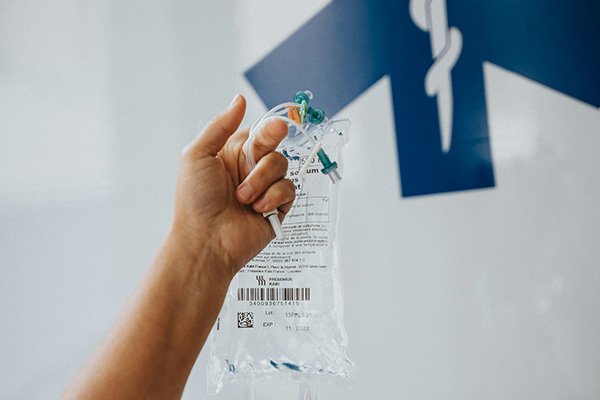
Home infusion therapy is a specialized healthcare service that allows patients to receive intravenous medications in the comfort of their own home. Instead of traveling to a hospital or infusion center, patients can continue their treatment in a familiar environment while still receiving professional clinical oversight.
This approach to care has become increasingly popular as healthcare shifts toward more patient-centered and cost-effective solutions. Home infusion supports improved convenience, better adherence to treatment plans, and reduced healthcare costs, all while maintaining high standards of safety and effectiveness.
Understanding Home Infusion Therapy
Home infusion involves the administration of medications through a needle or catheter, typically delivered intravenously. These therapies are prescribed by a physician and coordinated through a home infusion provider that manages medication preparation, delivery, and clinical support.
Patients receiving home infusion services are supported by trained nurses and pharmacists who ensure that treatments are administered correctly and safely.
Types of Treatments Provided at Home
Home infusion therapy is used for a wide range of conditions, from short-term treatments to long-term chronic care. The flexibility of this model allows patients to continue their therapy without disruption to their daily lives.
- IV antibiotics for infections
- Nutrition therapy such as total parenteral nutrition
- Pain management therapies
- Immunoglobulin therapy
- Chemotherapy and specialty medications
Each treatment plan is customized based on the patient’s medical needs, ensuring safe and effective care at home.
How Home Infusion Services Work
The process typically begins with a physician’s referral. A home infusion provider coordinates all aspects of care, including medication compounding, equipment delivery, and nursing support.
Patients and caregivers receive education on how to manage the therapy, while clinical staff remain available for ongoing monitoring and assistance. This coordinated approach ensures continuity of care and minimizes the risk of complications.
Benefits of Home Infusion Therapy
Home infusion offers significant advantages for both patients and healthcare systems. By shifting care from hospitals to the home, providers can reduce costs while maintaining high-quality outcomes.
Patients benefit from greater comfort, flexibility, and independence, making it easier to adhere to treatment plans and maintain a better quality of life.
Improved Patient Comfort and Convenience
Receiving treatment at home eliminates the need for frequent travel to healthcare facilities, reducing stress and saving time. Patients can remain in a familiar environment, which often leads to increased comfort and a more positive treatment experience.
This convenience is especially valuable for individuals requiring long-term or frequent infusions.
Reduced Healthcare Costs
Home infusion therapy is typically more cost-effective than hospital-based care. By avoiding inpatient stays and reducing the use of hospital resources, healthcare systems can lower overall costs while maintaining effective treatment.
Insurance providers often support home infusion as a preferred option due to its efficiency and cost savings.
Safety and Clinical Oversight
Safety is a top priority in home infusion therapy. While care is delivered outside of a traditional clinical setting, strict protocols and professional oversight ensure that patients receive safe and effective treatment.
Home infusion providers follow rigorous standards for medication preparation, delivery, and monitoring.
Role of Nurses and Pharmacists
Skilled nurses and pharmacists play a critical role in home infusion care. Nurses may visit patients to administer therapy, monitor progress, and provide education, while pharmacists oversee medication preparation and dosing.
This team-based approach ensures that patients receive comprehensive care and support throughout their treatment.
Monitoring and Ongoing Support
Patients receiving home infusion therapy are closely monitored to ensure positive outcomes. Providers maintain regular communication with patients and physicians, adjusting treatment plans as needed.
Access to 24/7 support helps address any concerns quickly, reducing the risk of complications and ensuring continuity of care.
Home infusion therapy represents a significant advancement in healthcare delivery, offering a convenient and effective alternative to traditional treatment settings. As demand for patient-centered care continues to grow, home infusion will play an increasingly important role in improving access, reducing costs, and enhancing patient outcomes.
By combining clinical expertise with the comfort of home-based care, this model provides a powerful solution for patients and healthcare providers alike.